Geosyntec Consultants Logo

Jennifer Donahue

Seismic Hazard Evaluation and Ground Motion Studies

2026-04-23T12:27:44-06:00March 27th, 2014|Tags: , , , , , , , , , , , , , , , , , |

Geosyntec has played a leading role in the development of state-of-the-art liquefaction and seismic analyses for more than 20 years and has pioneered designing economical structures that safely resist the loads caused by earthquakes. Geosyntec is recognized nationally and internationally for our capability to analyze the liquefaction potential of dam embankments and their foundations, as well as to assess the impact of liquefaction on bridges, buildings, and other structures. Geosyntec has performed liquefaction evaluations for hundreds of projects, including assessment of the consequences of liquefaction and development of solutions to mitigate concerns. These solutions have included ground improvement designs followed by testing during construction to verify that design objectives were met.
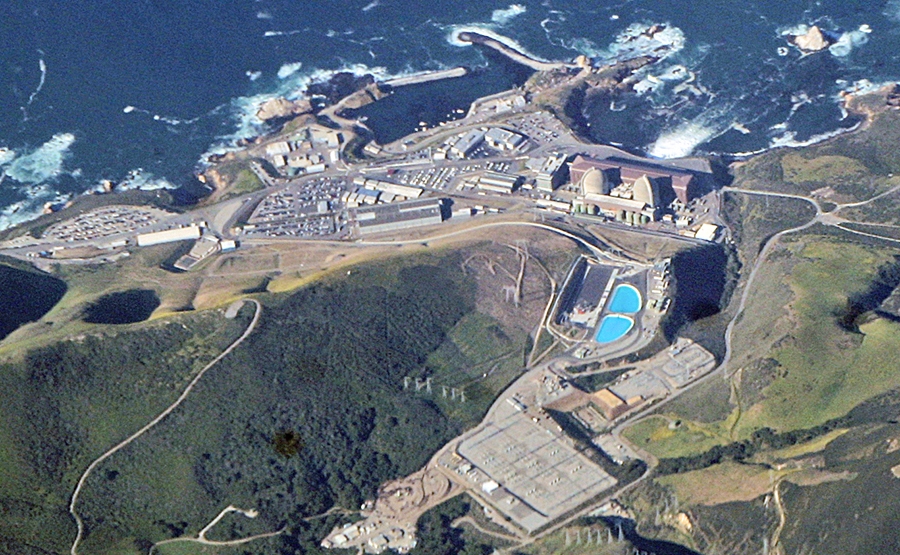
SSHAC Level 3 Seismic Hazard Update for the Diablo Canyon Power Plant

2026-04-02T14:31:20-06:00October 21st, 2009|Tags: , |

A seismic hazard update is currently being conducted for the Diablo Canyon Power Plant (DCPP) Site under the Senior Seismic Hazard Analysis Committee (SSHAC) Level 3 process. The SSHAC Level 3 process is a formal, structured procedure for developing Seismic Source Characterizations (SSC) and Ground Motion Characterizations (GMC), and has been identified in Nuclear Regulatory Commission regulatory guidance (RG 1.208) as an acceptable method for use in performing probabilistic seismic hazard analysis (PSHA) for nuclear sites.

The SSC and GMC for the DCPP site will involve complex assessments due to the location of the site within an active tectonic region of the United States. The seismic safety issues at DCPP will be subject to significant public and regulatory scrutiny. The SSHAC Level 3 update will re-examine parameters of the GMC and SSC in light of recent and ongoing studies with the objective of developing updated models that capture the center, body, and range (CBR) of the technically defensible interpretations (TDI).

Go to Top