Conceptual Model Development, Remediation, and Management at a Former Dry Cleaning Facility
Conceptual Model Development, Remediation, and Management at a Former Dry Cleaning Facility
Client
Confidential
Services Provided
Conceptual site model development, Subsurface investigation, Human health risk assessment, Bioremediation system design and implementation, Vapor intrusion assessment and mitigation, Cost forecasting and financial risk analysis, Regulatory support
Location
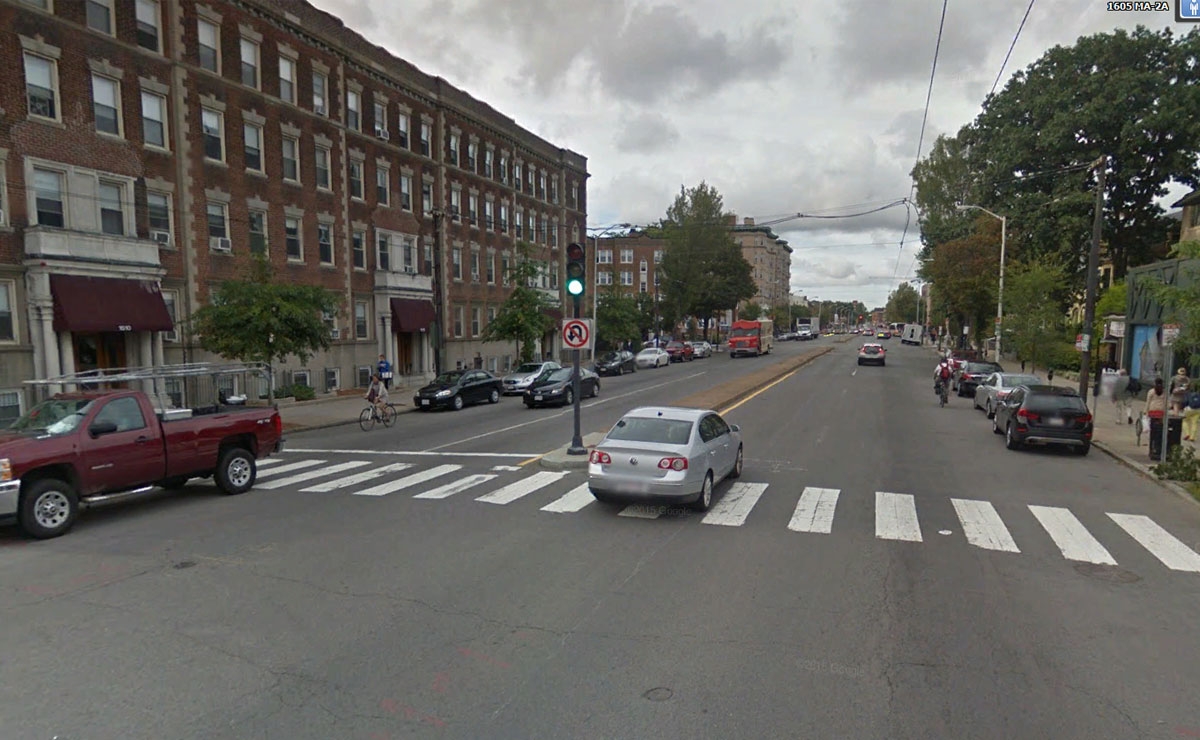
Massachusetts
Project Practice Areas
Contaminated Sites, Water & Wastewater
Type of Facility
Former dry cleaner
Project Specifics
A former drycleaning operation resulted in releases of tetrachloroethene (PCE) to shallow soil and groundwater in an area with a complex network of subsurface urban infrastructure.
Our client retained Geosyntec to provide a sitewide remedy capable of achieving regulatory closure for groundwater and soil contamination under the Massachusetts Contingency Plan (MCP), the state’s waste site cleanup program, despite technical, legal, public relations, and scheduling challenges. The client also wanted the remedy to incorporate green and sustainable design principles.
Geosyntec Scope of Services
Geosyntec guided the delineation of nature and extent, optimized existing vapor intrusion mitigation systems and developed a conceptual site model (CSM) for visualizing the complex interplay between dense subsurface infrastructure and complicated contaminant migration. This three-dimensional CSM used Mining Visualization Software and served as the basis for developing the remediation plan early in the project’s life.
Geosyntec designed interim measures to treat the PCE source area and prepared a feasibility study to address PCE in soil and groundwater. We performed remediation cost forecasting to estimate long-term cash flows and potential ranges of overall remediation costs. We conducted a human health risk assessment from exposure to PCE and its breakdown products. Geosyntec’s remedy design included in situ bioremediation with performance monitoring of injection systems. Bioremediation is an effective and sustainable technology that requires substantially less energy, labor, and expense to implement and monitor than many traditional technologies for addressing chlorinated solvents. Geosyntec designed, installed, and operated a groundwater pump and treat system as a focused component of the remedy to hydraulically control the plume from advancing around a newly constructed subsurface structure.
Notable Accomplishments
Geosyntec supported the client by providing a vision for site remediation and direction to the multi-consultant project team. As of 2019, the site was permanently closed with no activity and use limitations. PCE concentrations in the source area had begun greater than 100 parts per million (ppm) and are now nondetectable. Downgradient, concentrations had ranged up to 40 ppm and have decreased by over 99 percent.
Our careful planning and technical insight have provided the client with significant cost savings in life-of-project labor costs through improving project coordination and communication efficiency and lobbying with regulators for elimination of unnecessary treatment system components, justifying reductions in sampling frequency, and by developing an innovative in situ solution to treat nitrate in groundwater. We continue to receive thanks from our client for providing strategic and technical guidance on this multicomponent and high-profile project with the challenges of dealing with multiple stakeholders in an urban location.
Related Projects

SKA Consulting, LP for Federal Reserve Bank
Houston, Texas, USA

Confidential
Taunton, Massachusetts, USA

Omya, Inc.
Pittsford, Vermont

East Carolina University
Greenville, North Carolina