
Our environment is experiencing changes in climate patterns that were not anticipated by the designers of our coastal and upland surface-water water management systems.
In some areas, annual rainfall amounts may remain about the same. But instead of falling over long period, rain may fall in a shorter period, drastically increasing the likelihood of flooding and altering the performance of existing drainage systems. Meanwhile, other areas are experiencing drought conditions for the first time in modern history.
Upward trends in sea levels, coupled with king tides, are causing regular nuisance flooding in many coastal communities. Small increases in sea level can result in large impacts.
Larger, more powerful tropical storms make landfall with greater windspeeds and storm surges, which overtop seawalls and coastal protections, leaving wide and long trails of destruction.
The resilience of businesses, cities, institutions, and our infrastructure depends upon a cycle of risk assessment and planning, identification and implementation of adaptative solutions, and evaluation and monitoring during adverse conditions.
Resilience & Adaptation Specifics
Resilience & Adaptation Projects

Town of Stow, Massachusetts
Stow, Massachusetts

St. Augustine Public Works Department
St. Augustine, Florida

Southeast Louisiana Flood Protection Authority – East (SLFPA-E)
New Orleans, Louisiana

Northwest Florida Water Management District (NWFWMD)
Pensacola, Florida

Tennessee Valley Authority
Knoxville, Tennessee

Confidential PRP Group
San Francisco Bay Area, California

Entact LLC
Texas City, Texas

City of Hermosa Beach
Hermosa Beach, California

Massachusetts Bays National Estuary Program; Massachusetts Office of Coastal Zone Management
Massachusetts
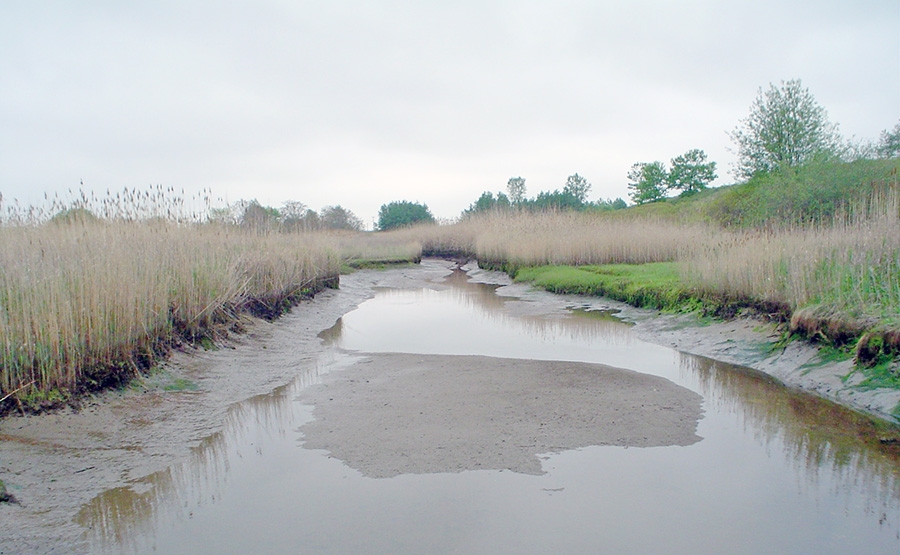
Massachusetts Office of Coastal Zone Management
Saugus, Massachusetts, USA

Tesoro Alaska Petroleum Company
Kenai, Alaska, USA

Broward County
Broward County, Florida

Massachusetts Bays Program
Massachusetts


